The High-Level International Conference on Glaciers’ Preservation, held in Dushanbe, Tajikistan from 29 to 31 May 2025, concluded with the adoption of the Dushanbe Glaciers Declaration. This landmark agreement calls on governments, scientific institutions, and stakeholders worldwide to intensify cooperation and align efforts to safeguard glaciers and the cryosphere. The declaration comes at a critical moment, as glaciers across the globe continue to retreat at alarming rates, threatening water security, ecosystems, and communities dependent on mountain and polar environments.
“We, the Heads of Delegation, high-level representatives of the states, organizations, major groups and other stakeholders having met in Dushanbe, reaffirm our commitment to protect glaciers as part of the 2030 Agenda for Sustainable Development.”
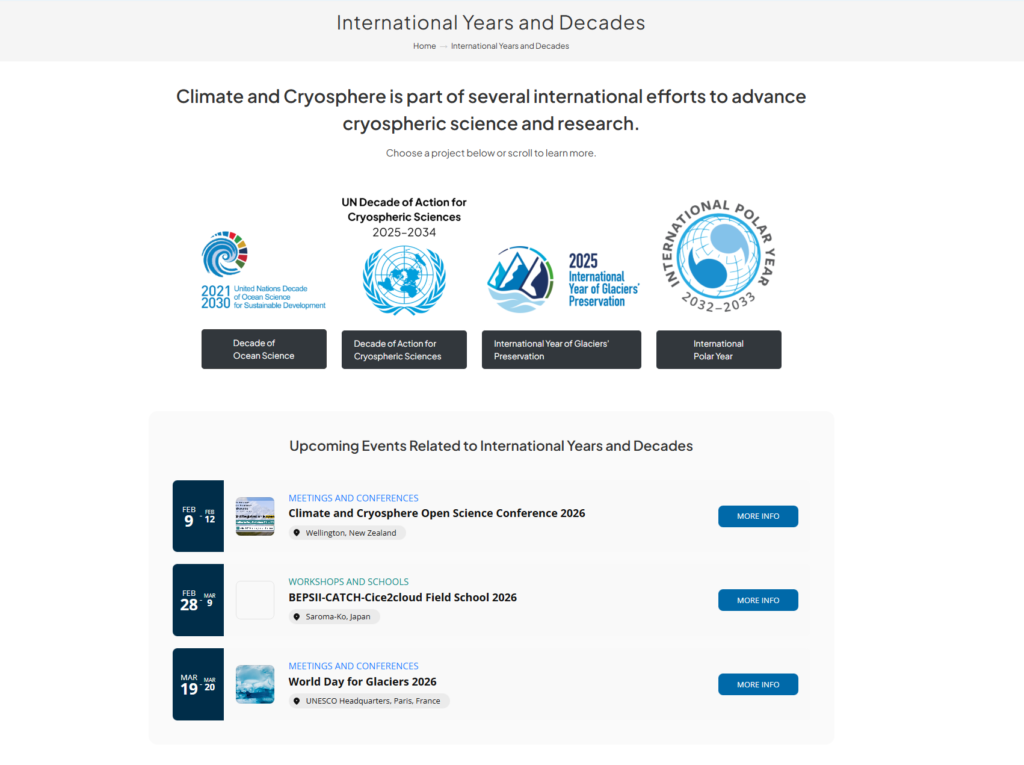
The declaration builds on United Nations General Assembly Resolution 77/158, which proclaimed 2025 as the International Year of Glaciers’ Preservation and established 21 March as the annual World Day for Glaciers. By linking the Dushanbe outcomes to this UN resolution, the conference reinforced the urgency of coordinated global action. Delegates emphasized that glaciers are not only symbols of natural beauty but also vital reservoirs of freshwater, supporting billions of people worldwide.
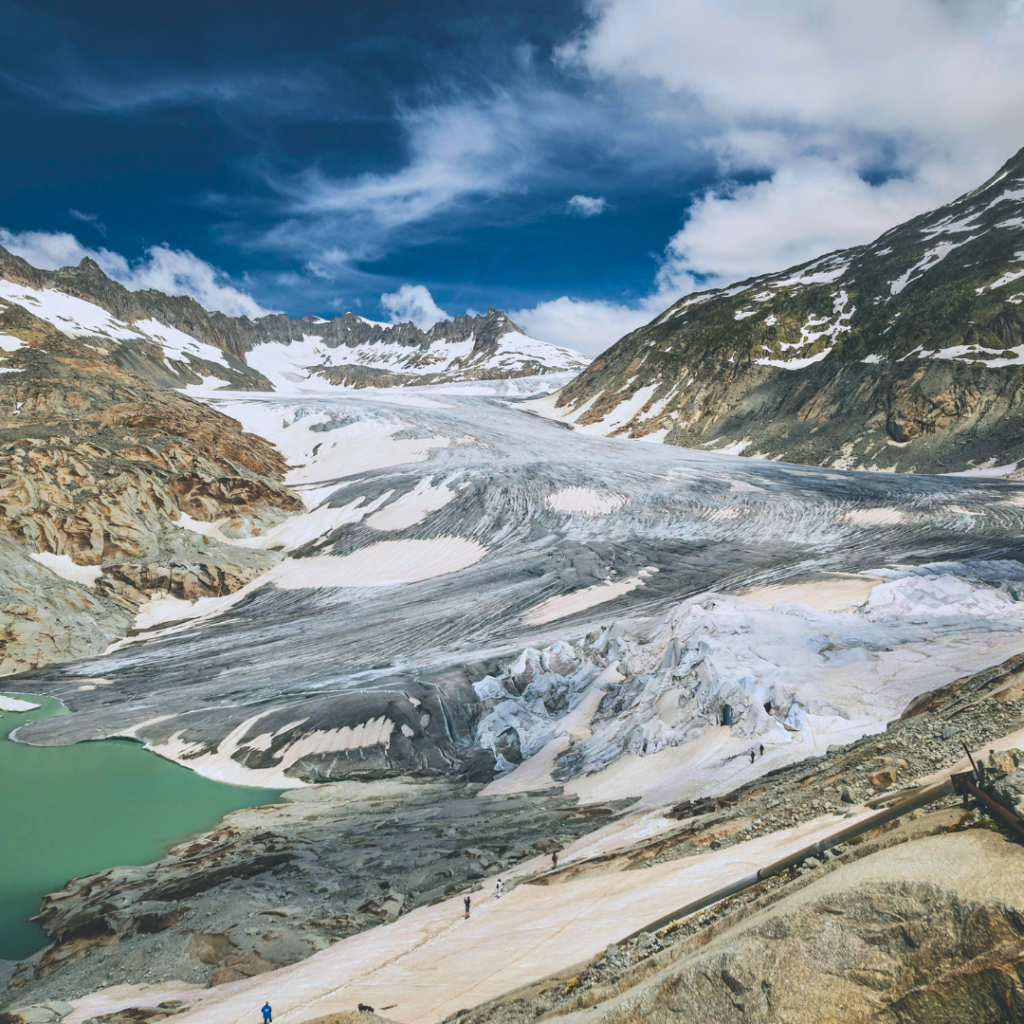
Glaciers are retreating at unprecedented rates. In the Himalayas, accelerated melting threatens the water supply of millions across South Asia. In the Andes, shrinking glaciers jeopardize agriculture and hydropower, while in the Arctic and Antarctic, ice loss contributes directly to rising sea levels. The Dushanbe Declaration highlights these regional crises as interconnected parts of a global challenge, underscoring the need for shared data, joint research, and policy alignment.
The conference also stressed the importance of scientific collaboration. Delegates called for enhanced monitoring networks, investment in cryospheric research, and the integration of traditional knowledge from mountain communities. By strengthening partnerships between governments, academia, and civil society, the declaration aims to ensure that glacier preservation becomes a cornerstone of climate adaptation strategies. This approach reflects a growing recognition that climate science must be both globally coordinated and locally grounded.
From a climate science perspective, the Dushanbe Glaciers Declaration represents a pivotal moment. It elevates glaciers from a regional concern to a global priority, recognizing their role in regulating hydrological cycles, influencing sea level rise, and sustaining biodiversity. For vulnerable countries, especially those reliant on glacial meltwater, the declaration provides a framework for coordinated action, research, and adaptation strategies. It also signals to policymakers that glacier preservation is inseparable from broader climate resilience planning.
The declaration’s adoption in Tajikistan carries symbolic weight. As a country with significant glacial resources in the Pamir Mountains, Tajikistan has positioned itself as a global advocate for cryosphere protection. Hosting the conference in Dushanbe underscored the leadership role of Central Asia in advancing international dialogue on glaciers, while also highlighting the region’s vulnerability to climate impacts.
Looking ahead, the Dushanbe Declaration sets the stage for concrete action. Delegates agreed to strengthen international cooperation through shared research initiatives, capacity-building programs, and the mobilization of financial resources. The annual World Day for Glaciers, beginning in 2025, will serve as a focal point for awareness campaigns, scientific reporting, and policy discussions. By institutionalizing glacier preservation within the global climate agenda, the declaration ensures that the issue remains visible and actionable in the years to come.
For WCRP Academy and the broader climate science community, the Dushanbe Declaration is a call to deepen engagement with cryospheric research and to translate scientific findings into policy-relevant insights. It challenges researchers to provide the evidence base for adaptation strategies, while urging governments to act decisively in protecting glaciers as critical components of Earth’s climate system.