Loading the page…

Loading the page…
WCRP Academy
Mentoring, leadership training and a global community for early-career climate scientists, with a focus on the Global South.
A network of aspiring climate scientist leaders, including an online forum.
More opportunities for leadership development in climate science.
Partnerships, events and a network of regional champions.
Future Leaders
Early-career climate scientists featured by the Academy. Explore the map, or search by name, country or institution.
How it works
Agreed with scientists and practitioners from Africa, Asia, Latin America and Europe at the 2025 Cape Town workshop.
Trained mentors matched with early-career researchers.
Self-awareness and inclusive leadership as the foundation.
Leadership training anyone in WCRP can reuse.
Running through every part of the programme.
Roadmap
Three phases take the programme from its 2025 launch in Cape Town to yearly fellowship, mentoring and summit activities.
2024
2025
2026
2027+
Flagship activities
Three activities planned for Phase 3, once funding is in place.

Building the leadership skills of promising young climate scientists.

Sharing knowledge across WCRP by breaking down silos.

Empowering regional climate champions to support growth and inclusivity.
Delivered · June 2026
Three sessions on science communication, led by Sarika Govender (CSAG, University of Cape Town) with the CARE for SEA Megacities Project.
10 June 2026
Practical principles for communicating research to wider audiences.
15 June 2026
Running sessions that get everyone talking and learning.
18 June 2026
Presenting your work so it lands with the people who need it.
Questions
Who it is for, what comes next and how to get involved.
Contact the Academy[Answer to confirm with the programme team: who is eligible, and how and when to apply.]
Calls for applications are announced in the Academy newsletter, together with upcoming courses and webinars. Subscribe below, or follow the Academy on Facebook, LinkedIn, Instagram and YouTube.
Academy scholars, the knowledge exchange initiative and the Climate leaders summit are planned for Phase 3, from 2027, once funding is in place. The phase years are indicative.
The three June 2026 sessions on science communication are listed in the training catalogue, with their details and links.
The Academy is looking for funding partners for the flagship activities, from a single cohort to a whole flagship, as well as in-kind support. Contact the Academy to discuss it or to request the concept note.
Support the programme
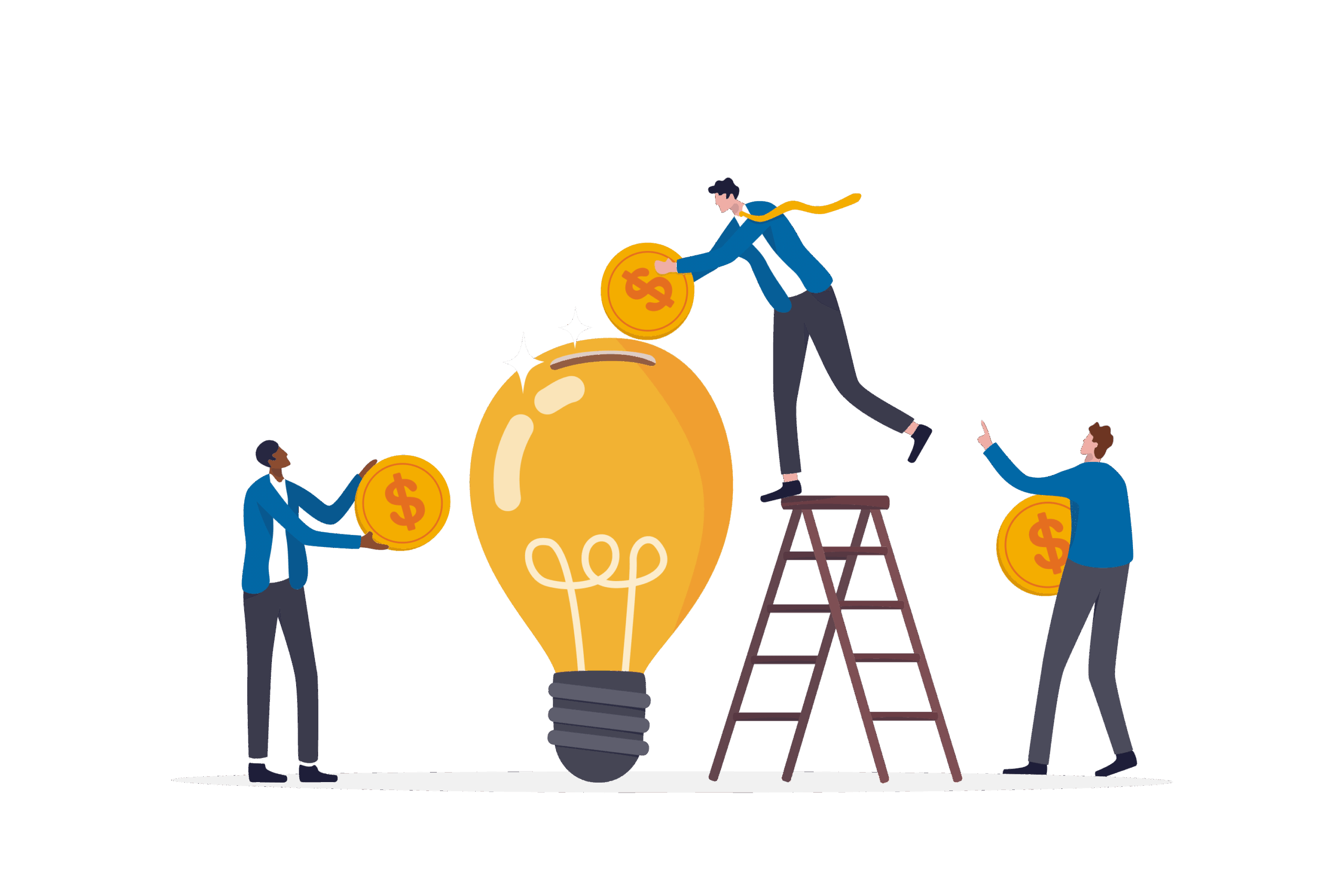
The WCRP Academy is seeking to partner with international funding organizations and philanthropists who share our commitment to education, climate action and social justice.
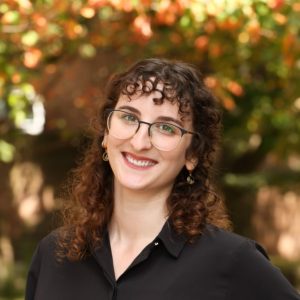
Postdoctoral Researcher, Yale School of the Environment, Yale University · United States
“Future climate scientists are paving the way for a more humanized science, because climate solutions succeed only when rigorous evidence is paired with social understanding.”
I’m a postdoctoral researcher at the Yale School of the Environment, specializing in fire–climate dynamics in tropical ecosystems. I hold a degree in Energy and Environmental Engineering and a joint PhD in Geophysics and Meteorology from the University of Lisbon and the Federal University of Rio de Janeiro. For over a decade, my work has sat at the intersection of Earth observation, climate science, ecology, and policy. I co-authored the United Nations Environment Programme (UNEP) report “Spreading like Wildfire: The Rising Threat of Extraordinary Landscape Fires” and have consulted for non-profit organizations on fire risk and modeling, fire management, and carbon projects in South America.
My primary research focuses on fire–climate dynamics in South American tropical ecosystems, with an emphasis on identifying the climatic conditions that lead to wildfires and mapping ecosystem vulnerability. I combine remote sensing, observational datasets, and climate models to quantify how fire regimes have changed in recent decades and to assess how they may evolve under future climate scenarios. I also contribute to projects on extreme climate events (including heatwaves and drought), climate modeling, and integrated fire management across the tropical forests of the Amazon, the Cerrado savanna, and the Pantanal wetlands. Overall, my work advances understanding of the climatic constraints on contemporary fire regimes and extreme fire events, producing actionable insights to support decision-making, strengthen ecosystem resilience, and reduce wildfire risk.
I also serve on the Science Team for the State of Wildfires Project, which produces an annual report on global extreme fire activity, bridging academic research and policy-relevant insights.